Three Key Concepts for AI Workshop for Beginners: Lessons from the Wolf Creek Workshop
AI workshop for beginners can learn Claude, prompting, privacy, and human judgment through practical lessons from the Wolf Creek Library workshop experience today here..
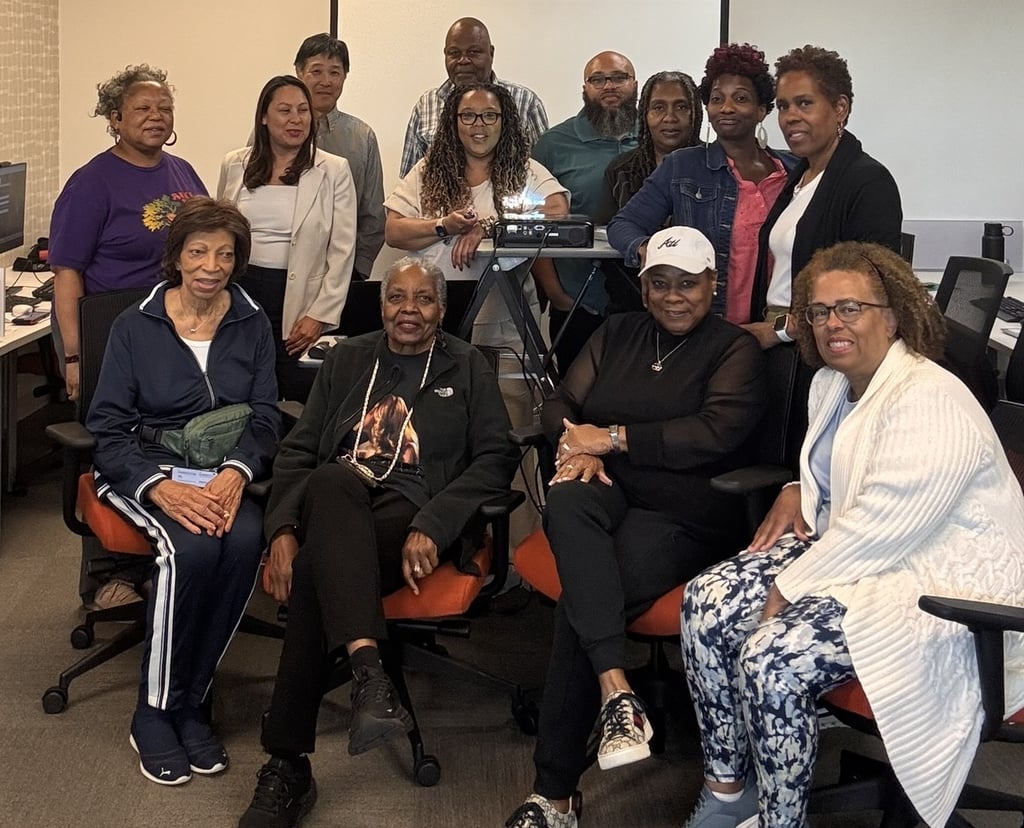
Community empowerment begins with literacy. In an era where technology evolves faster than most can track, the gap between the "haves" and the "have-nots" is no longer just about access to hardware: it is about the mastery of the software. The Rewrite & Rise initiative, founded by Nan Dale Ross, exists to bridge this divide. By hosting the AI workshop series at the Wolf Creek Library, this mission moves from theory into the hands of local practitioners, leaders, and curious professionals.
The goal is simple: demystify the machine. Practitioners do not need a computer science degree to direct artificial intelligence; they need a framework. The Wolf Creek sessions proved that when individuals move past the intimidation of a blank prompt box, they unlock a formidable partner in productivity. The following core concepts represent the foundation laid during these sessions: principles designed to turn beginners into confident AI navigators.
1. Deconstructing the "Logic vs. Magic" Illusion
Many approach artificial intelligence as a form of digital sorcery. They type a vague request, hope for a miracle, and feel disappointed when the output is generic or inaccurate. This is the "Magic" trap. To succeed, practitioners must shift their perspective toward the "Logic" of AI patterns.
AI models are pattern-matching engines. They do not "know" things in the human sense; they predict the most likely next sequence of data based on the structure provided. When a practitioner understands that AI operates on logic: predictable, structural, and iterative: the frustration of poor results vanishes.
Practice intentionality over optimism.
Instead of treating the AI like a crystal ball, treat it like a highly capable but literal-minded intern. This intern has read every book in the library but has no context for the specific task at hand. The practitioner’s role is to provide that context. By focusing on the logic behind the request, teams can guide the AI to produce high-fidelity artifacts that actually serve a business purpose.
This transition from "Magic" to "Logic" is the first step in building a Human Moat. Technology is a commodity, but the ability to direct that technology with precision is a rare and valuable skill.
2. Navigating the Interface: Mastering Claude.ai
Tools are only as effective as the hands that hold them. During the Wolf Creek Workshop, participants focused on the Claude.ai interface. While many are familiar with basic chatbots, few have explored the nuanced settings that separate casual users from professional practitioners.
Navigating the interface requires more than just knowing where the "Enter" key is. It involves understanding the environment in which the work happens.
Master the digital workspace.
Practitioners learned to navigate the sidebar, manage multiple conversation threads, and use organization features to keep projects distinct. A cluttered interface leads to a cluttered workflow. By treating each chat thread as a specific "project container," users prevent context bleeding and ensure the AI remains focused on the relevant task.
Prioritize privacy and security.
Security is not an optional add-on; it is a prerequisite for professional use. The workshop highlighted the importance of privacy settings, specifically the use of Incognito mode or private browsing when handling sensitive or exploratory queries. Practitioners must understand how their data is used and when to opt out of model training.
Responsible AI use means protecting intellectual property. Before pasting data into any interface, users must verify that they are operating within a secure, ethical framework. This awareness separates those who "use" AI from those who "lead" with it.
3. The Prompting Formula: Who + What + How
The most common point of failure in AI delivery is the prompt. Vague inputs yield vague outputs. To solve this, the Wolf Creek Workshop introduced a rigorous structure for communication: the Who + What + How formula.
This formula eliminates ambiguity. It provides the AI with a persona, a clear objective, and a roadmap for execution.
WHO (The Persona): Define the identity of the AI. A creative copywriter? Assigning a role narrows the AI's internal search parameters, leading to a more specialized tone and expertise.
WHAT (The Task): State the goal clearly. Do not just ask for "help." Command a specific artifact. "Draft a sprint retrospective report" is better than "Help me with my meeting."
HOW (The Constraints): Outline the format, length, and style. Provide the steps the AI should take to arrive at the conclusion. For example, "Analyze these three bullet points, identify the common theme, and then summarize them in a table format."
By employing this formula, practitioners stop "talking" to the AI and start "programming" it with natural language. This is the core of Agile Product Delivery. Real-time coaching sessions emphasize this level of precision, ensuring that every interaction with the tool moves the needle toward a tangible release.
4. The Philosophy: Assist, Don't Replace
A lingering fear among many AI beginners is the threat of replacement. The Rewrite & Rise mission reframes this narrative. The philosophy taught at Wolf Creek is clear: Assist, Don't Replace.
AI is a bicycle for the mind. It allows the practitioner to travel faster and further, but the practitioner is still the one steering. The goal of AI literacy is not to automate oneself out of a job, but to automate the mundane to make room for the masterful.
Direct, don't just use.
Practitioners who simply copy and paste AI outputs are easily replaced. Those who direct the AI, critique its work, and refine the artifacts through multiple iterations are indispensable. They are the ones who build the "Human Moat." This moat is constructed from judgment, empathy, and strategic thinking: qualities AI cannot replicate.
The workshop emphasized the "Human-in-the-loop" model. Every piece of content, every line of code, and every project plan generated by the AI must pass through human verification. This ensures quality, maintains brand voice, and upholds ethical standards.
Conclusion: The Time to Act is Now
The bridge between current capability and future mastery is built through practice. The Wolf Creek Workshop provided the blueprint, but the responsibility to build lies with the practitioner. The world is not waiting for people to "get ready" for AI; the world is already moving.
Rewrite & Rise, under the leadership of Nan Dale Ross, continues to provide the resources and community support needed to navigate this transition. Whether through local library workshops or intensive live coaching programs, the path forward is clear: Learn the logic. Master the interface. Perfect the formula.
Stop studying. Start delivering.
Commit to the process today. Join the next cohort of practitioners who are moving beyond the hype and into high-impact delivery. The gap between knowing and doing is where your value lives. Close that gap.
Learn more about the Agile Product Delivery Lab and secure a spot in the next session.
Get in touch
Rewrite & Rise, Inc. is a nonprofit organization that provides community workshops and practical training to help individuals build digital skills, explore new opportunities, and prepare for the future of work.